

From Choice Hotels International to Switzerland’s EHL Innovation Hub, retrofit-first IoT, AI automation, and Bluetooth Low Energy (BLE) upgrades are creating new opportunities for hotels to modernize existing infrastructure and improve operational efficiency.
1. The Global Paradigm Shift in Hotel Operations
For decades, hospitality technology investments were often associated with luxury resorts and properties with substantial capital budgets. Budget, economy, and midscale hotels have faced a different challenge: adopting modern technology while managing costs, existing hardware, and operational disruption.
Traditional smart hotel upgrades can involve replacing existing hardware, installing additional gateways, and undertaking extensive construction work. These requirements can make modernization more complicated for properties that need to continue operating throughout the upgrade process.
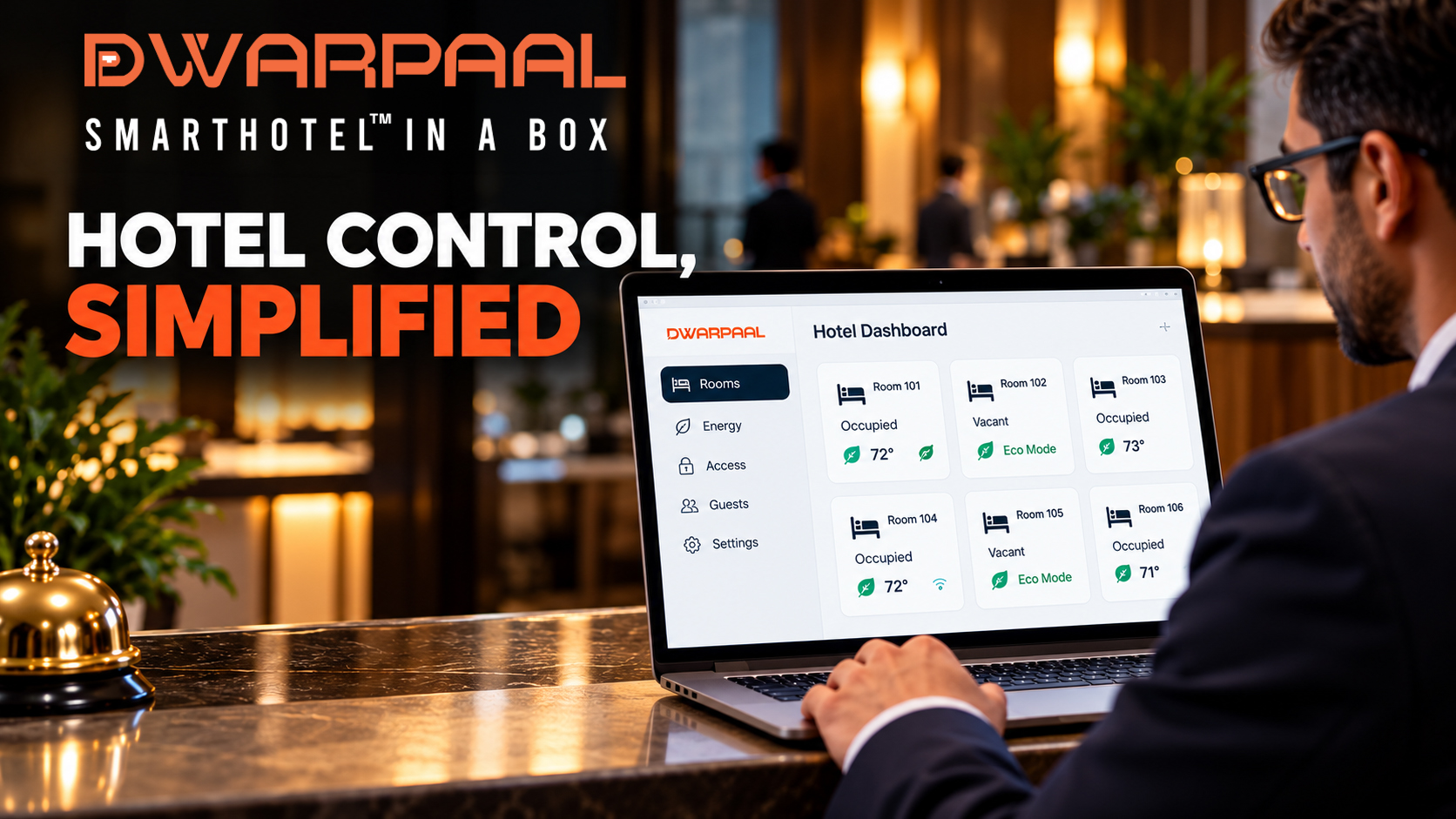
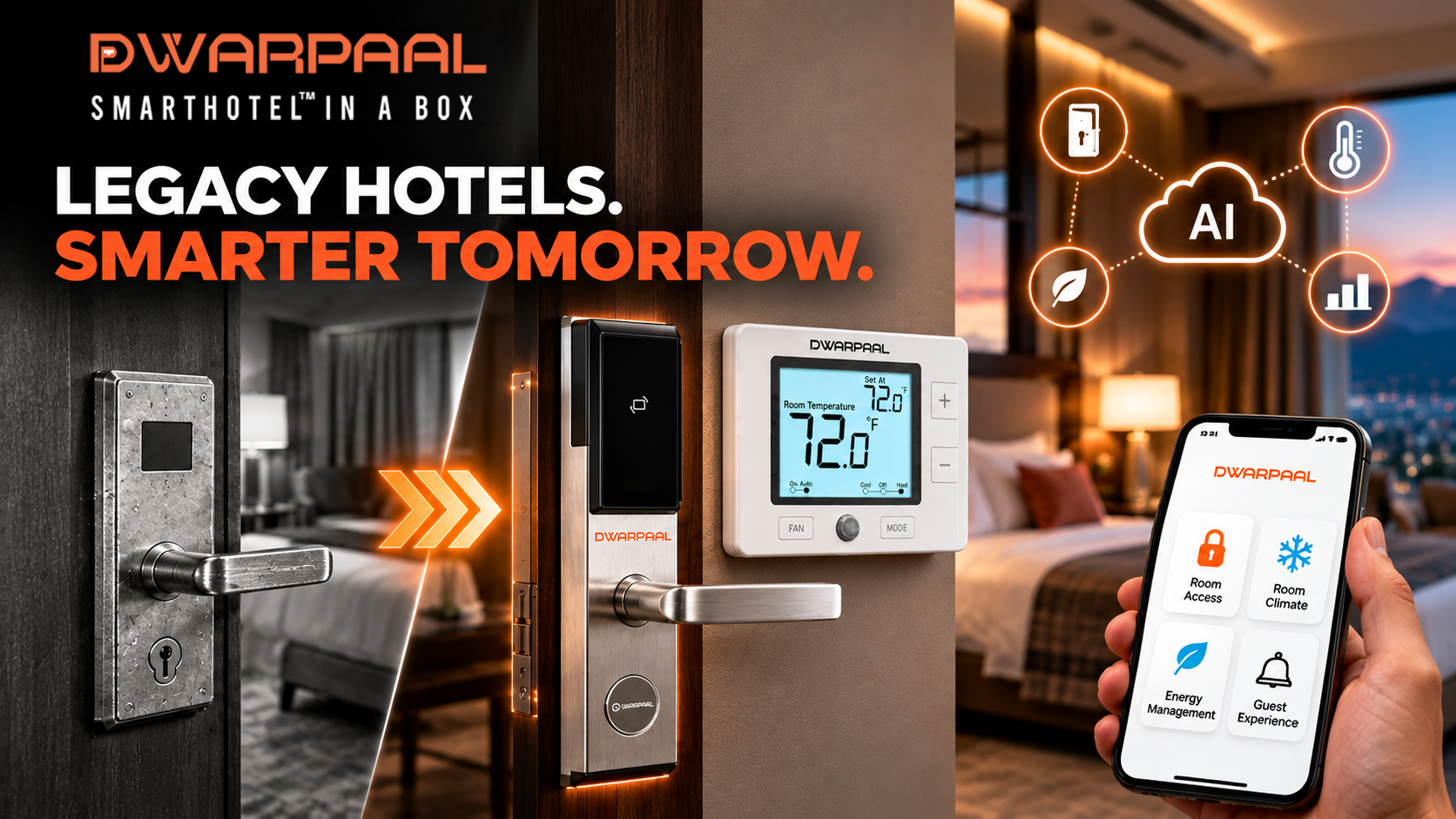
DwarPaal addresses this challenge through a retrofit-first approach that focuses on integrating intelligent technology with existing hotel infrastructure. By combining connected devices, centralized management, and AI-driven capabilities, hotels can explore modernization without automatically replacing every existing system.
2. Enterprise Validation: Choice Hotels International Rollout
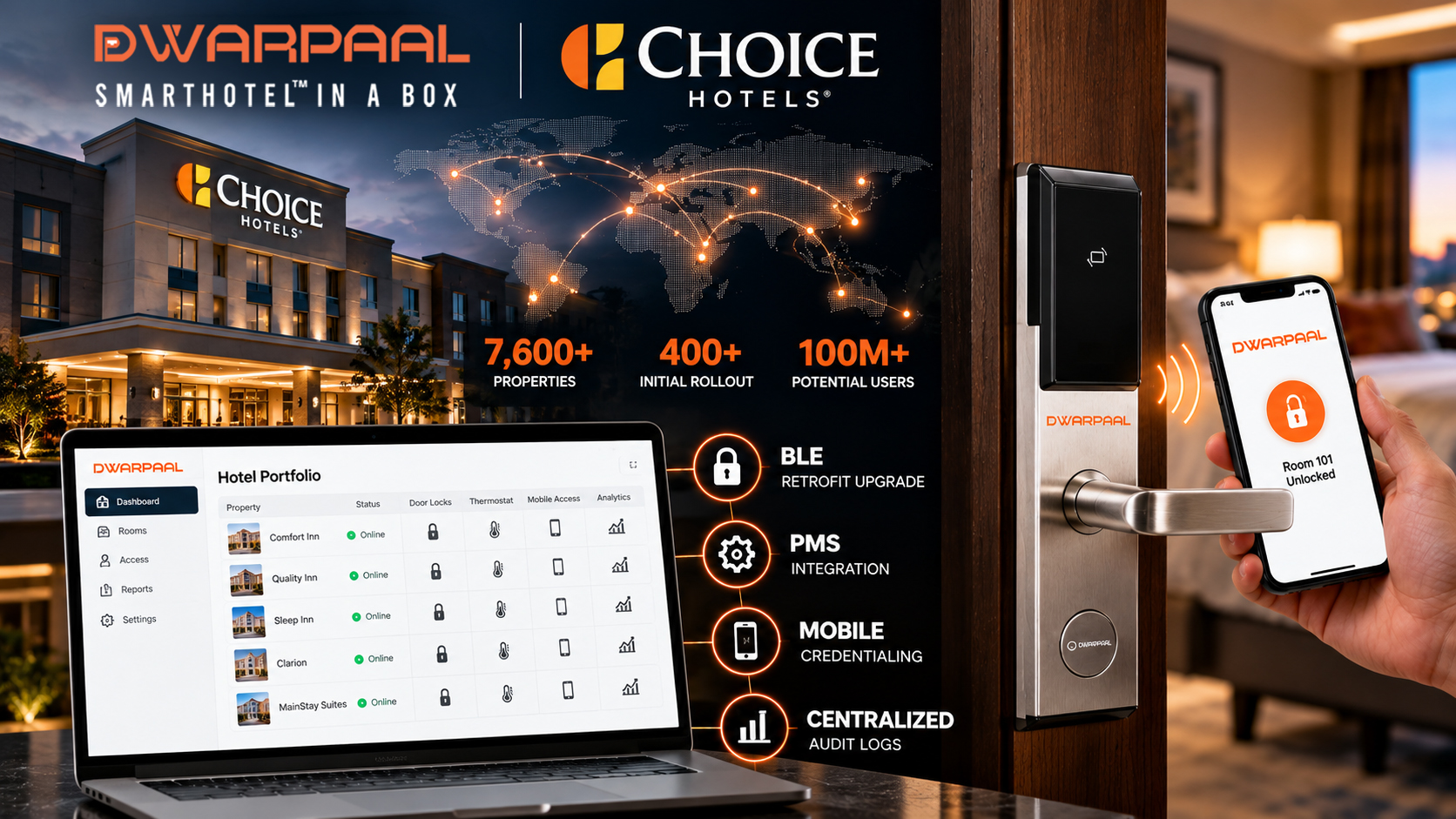
DwarPaal’s retrofit-first engineering approach is designed to support hotel modernization across economy and midscale properties. The supplied project information identifies Choice Hotels International as an enterprise deployment associated with modernizing hotel access control through retrofit technology.
Rather than automatically replacing existing locks, a Bluetooth Low Energy (BLE) retrofit approach can enable compatible access hardware to support modern digital capabilities while retaining suitable existing infrastructure.
The described rollout includes an initial deployment across more than 400 properties, with planned capabilities involving Property Management System (PMS) integration, mobile credentials, and centralized audit logs. These capabilities can help hotel operators move toward more connected access management while reducing reliance on a complete hardware replacement strategy.
The broader objective is to make hotel technology upgrades more practical, scalable, and compatible with the operational needs of existing properties.
3. Global Expansion: Switzerland Smart Hospitality Program
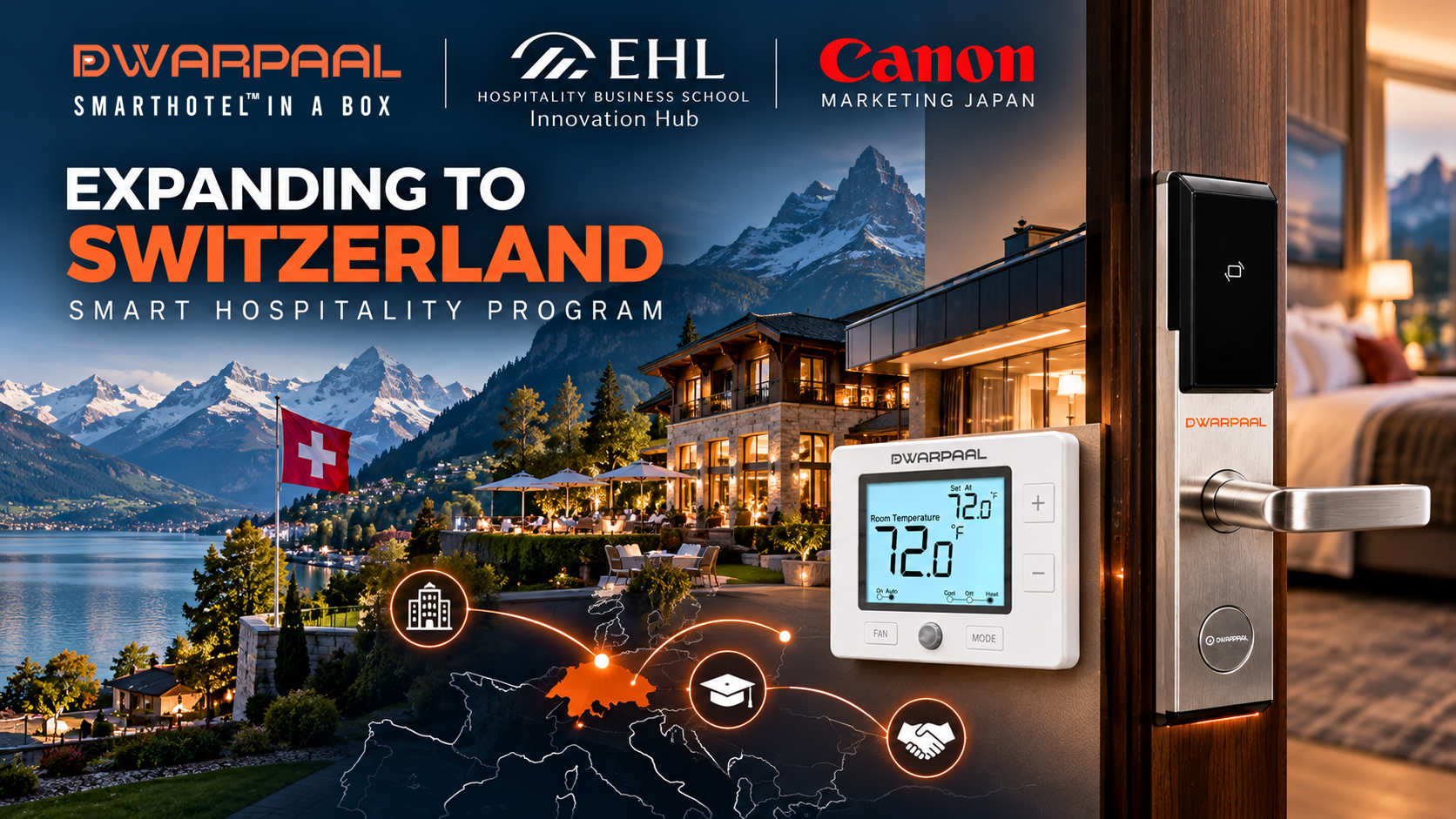
DwarPaal is also extending its smart hospitality vision into Europe through the Switzerland Smart Hospitality Early Adopter Program. The initiative brings together DwarPaal Inc., EHL Hospitality Business School’s EHL Innovation Hub, and Canon Marketing Japan.
The program is intended to engage forward-thinking hotels interested in connected hospitality technology that works with existing infrastructure. Its retrofit-focused approach provides a foundation for exploring how intelligent devices and centralized systems can support the next generation of hotel operations.
By connecting hospitality expertise with technology integration, the initiative highlights the growing opportunity to modernize hotel environments without treating every property as a completely new installation.
4. AI-Powered Hotel Operations and Real-Time Intelligence
Artificial intelligence can support hotel technology beyond guest interactions and administrative automation. When combined with connected hardware and operational data, AI can help simplify installation workflows, improve visibility into equipment, and support maintenance planning.
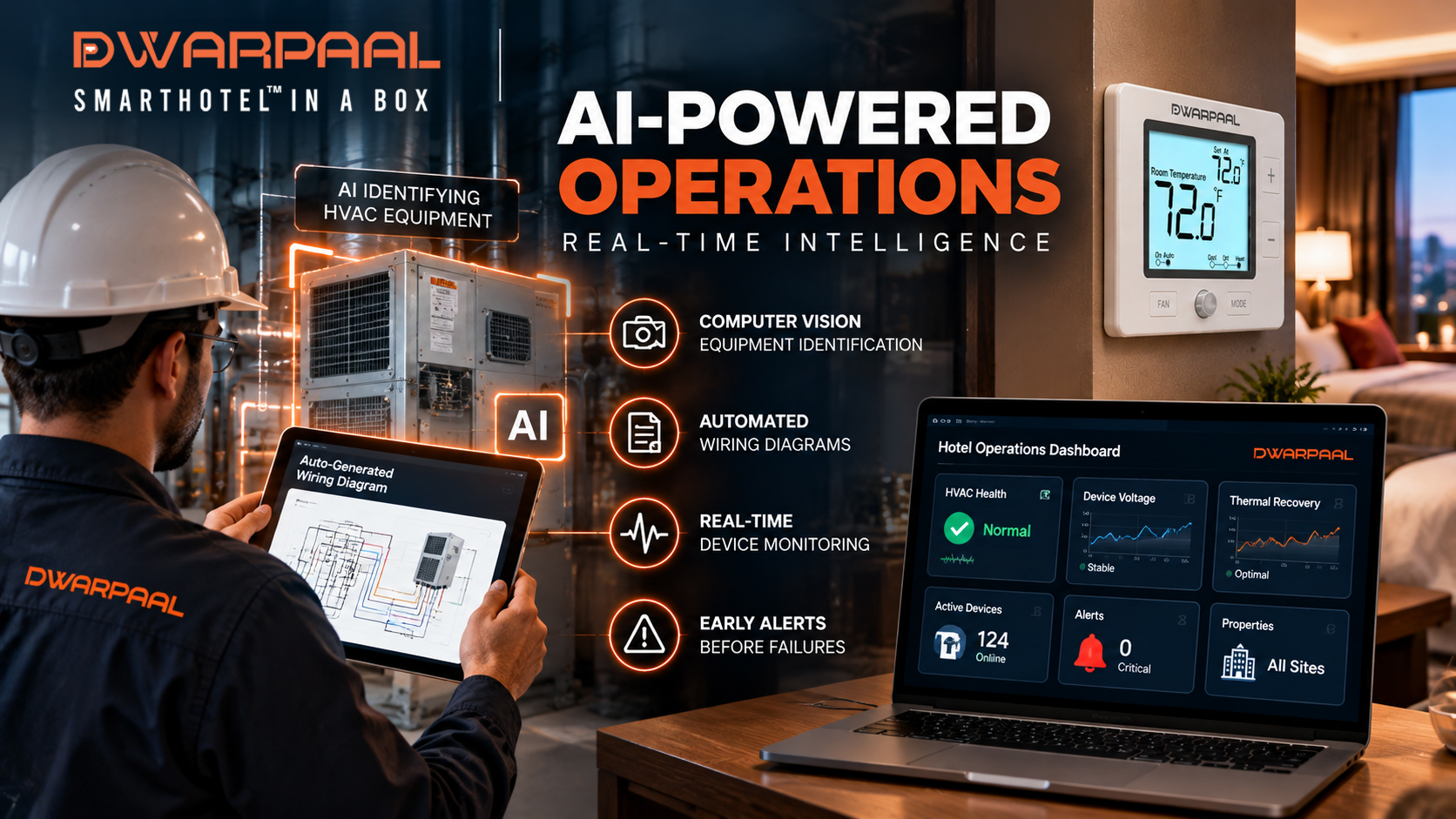
The supplied project information describes DwarPaal’s use of AI computer vision to identify HVAC equipment from photographs and generate wiring diagrams for installers. These applications aim to make technical installation workflows more efficient.
The information also describes monitoring device voltage and thermal recovery patterns to help identify potential HVAC issues. When implemented and validated for a particular system, this type of monitoring can help hotel teams investigate equipment irregularities before they develop into larger operational problems.
Together, AI-assisted installation and connected equipment monitoring illustrate how smart hotel technology can contribute to more informed maintenance and property management.
5. Hotel Energy Savings, Operational Efficiency, and Utility Rebates
Modernizing hotel infrastructure can create opportunities to improve energy management and simplify everyday operations. DwarPaal’s Smart Hotel in a Box™ approach brings connected technology and centralized control together to help properties manage supported hotel systems.
The supplied project brief cites potential benefits including 17% energy bill savings, 40% RFID card cost savings, 15% reductions in front-desk labor, and 10% upsell revenue growth through GuestConnect™. These figures should be presented as reported project claims only after the supporting data, methodology, and applicability have been verified.
Utility incentive programs may also help eligible properties offset certain energy-efficiency upgrade costs. Availability, rebate amounts, qualifying equipment, and application requirements vary by utility provider, location, and project. Hotels should confirm eligibility and incentive terms directly with the relevant program before including projected rebates in an investment plan.
A property’s actual return on investment depends on installation costs, existing equipment, energy consumption, operating patterns, available incentives, and the features deployed. Evaluating these factors helps hotel owners develop a realistic modernization plan.
6. Building the Future of Connected Hospitality
The future of hotel technology is not limited to newly constructed properties or complete infrastructure replacements. Retrofit solutions offer another route for existing hotels to explore connected access, intelligent climate management, and AI-assisted operational workflows.
Through its Smart Hotel in a Box™ ecosystem, DwarPaal focuses on bringing existing hotel infrastructure and modern digital capabilities closer together. From BLE access upgrades to centralized device management and AI-enabled operations, the retrofit-first approach supports a more connected vision for hospitality.
Explore Smart Hotel Modernization with DwarPaal
Hotels looking to modernize their operations can begin by evaluating their existing access systems, HVAC equipment, connectivity, and operational requirements. A carefully planned retrofit can help identify practical opportunities to introduce connected technology while accounting for property-specific constraints.
Discover how DwarPaal’s Smart Hotel in a Box™ ecosystem can support your property’s modernization goals.
Contact the DwarPaal team to discuss your requirements and request a personalized product demonstration.