
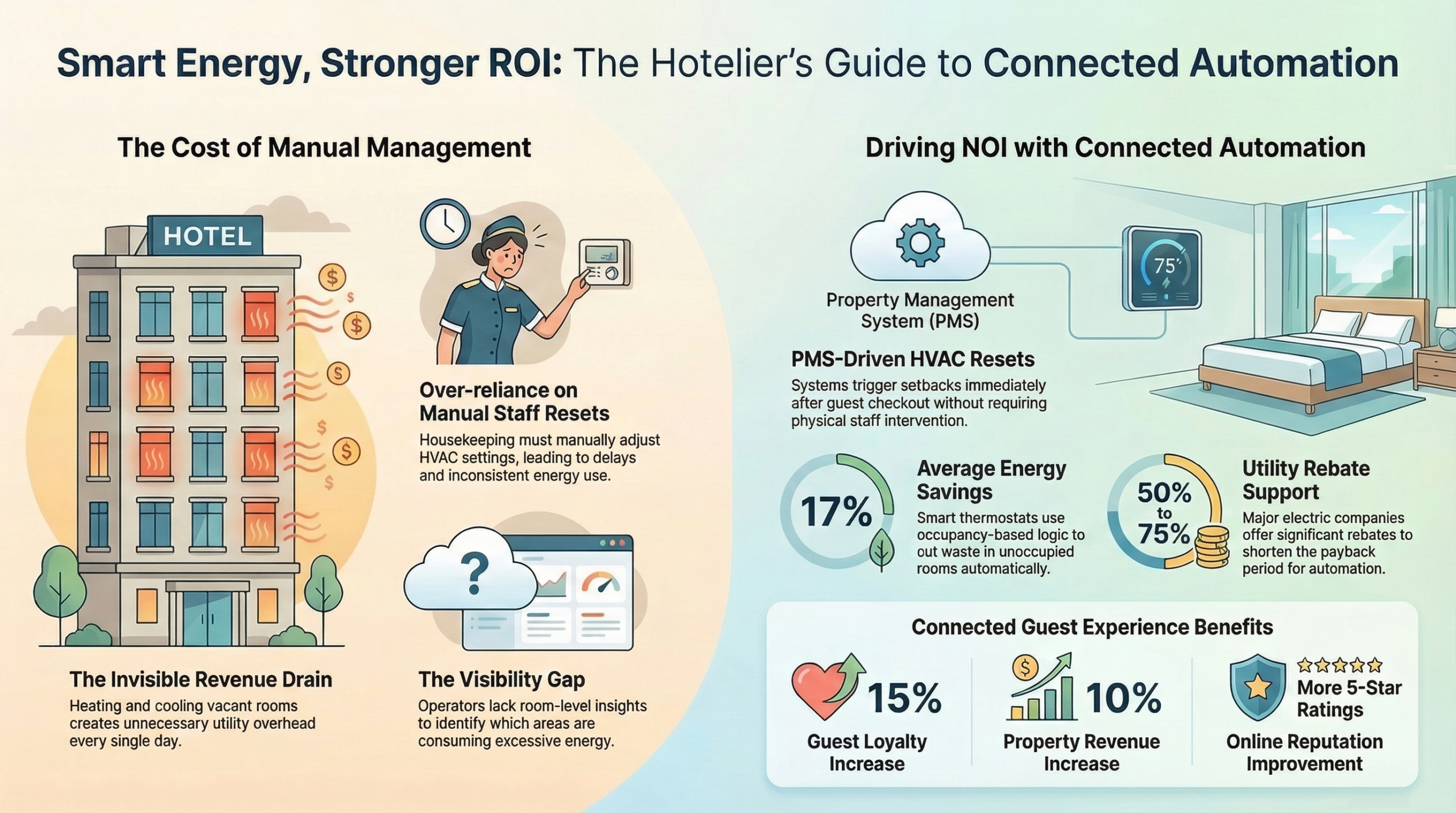
In today’s modern hospitality landscape, the guest experience begins long before room service arrives or housekeeping knocks on the door. The very first physical interaction a guest has with a property is often their room door. As hotels continue embracing connected technologies and hotel automation systems, smart locks have evolved from simple security devices into essential components of guest satisfaction and operational efficiency.
Modern travelers expect convenience, speed, and seamless digital experiences. Traditional keys and access cards are increasingly becoming outdated, creating unnecessary friction during the guest journey. Smart lock technology provides hotels with an opportunity to deliver faster service, improve security, and create memorable guest experiences while simultaneously reducing operational costs.
The Evolution of Hotel Access Control
Conventional room keys and RFID cards have served the hospitality industry for decades, but they present several operational challenges. Lost cards, demagnetized keys, front desk queues, and manual room assignments often result in guest frustration and increased workload for hotel staff.
Smart locks eliminate many of these issues by introducing secure digital access methods that align with the expectations of today’s connected travelers.
However, the true value of a smart lock goes beyond simply replacing a physical key. The greatest operational benefits emerge when the lock becomes part of a fully integrated hospitality ecosystem.
Moving Beyond Keyless Entry
A standalone electronic lock provides convenience, but a PMS-integrated smart lock delivers operational transformation.
When connected directly to the hotel’s Property Management System (PMS), smart locks become part of an automated workflow that synchronizes room status, guest access, and operational tasks.
This integration allows hotels to:
- Automatically issue digital room access upon check-in.
- Revoke access immediately after check-out.
- Reduce manual front desk processes.
- Improve room turnover efficiency.
- Minimize guest waiting times.
By removing the dependency on physical keys and manual intervention, hotels can deliver a smoother and more efficient guest experience.
Seamless Guest Access and Digital Convenience
Modern guests value simplicity. Requiring guests to download additional applications often creates friction and lowers adoption rates.
Guest-friendly smart lock solutions utilize secure web-based access links that allow guests to unlock their rooms directly from their smartphones without installing an app.
The benefits include:
- Instant room access as soon as the room becomes available.
- Reduced front desk queues.
- Contactless check-in experiences.
- Convenient access throughout the stay.
- Higher guest satisfaction.
This level of convenience directly contributes to improved online reviews, stronger brand perception, and increased guest loyalty.

Operational Agility for Hotel Teams
Smart locks not only improve the guest experience but also significantly enhance hotel operations.
Management teams gain real-time visibility into room access, occupancy status, and security events through centralized dashboards and management platforms.
Remote monitoring capabilities allow staff to:
- Track room access activity.
- Manage guest credentials remotely.
- Reduce manual room security tasks.
- Improve housekeeping coordination.
- Respond quickly to operational issues.
By reducing administrative responsibilities, hotel staff can focus more on delivering personalized guest service and meaningful interactions.
Enhanced Security and Real-Time Visibility
Security remains one of the most important aspects of hotel operations. Unlike traditional keys that offer little visibility after issuance, smart locks provide detailed access records and real-time monitoring.
Every room entry is securely logged, allowing operators to know:
- Who accessed the room.
- When access occurred.
- How the room was accessed.
- Whether unauthorized attempts occurred.
This data helps hotel operators maintain a secure environment while providing valuable operational insights. Centralized reporting and analytics also support compliance, incident investigations, and improved security protocols.

Integrating Smart Locks into a Connected Hotel Ecosystem
Smart locks deliver their greatest value when integrated with other hospitality technologies such as:
- Property Management Systems (PMS).
- Smart thermostats and HVAC controls.
- Guest communication platforms.
- Housekeeping management systems.
- Energy management solutions.
A connected hospitality ecosystem allows properties to automate workflows, reduce operational costs, and create a unified guest experience from arrival to departure.
The Financial Benefits of Smart Lock Technology
Investing in smart lock technology is not simply a security upgrade—it is a strategic business decision.
Hotels implementing connected access systems often experience:
- Reduced RFID card replacement costs.
- Lower front desk workload.
- Faster check-in and check-out processes.
- Improved guest satisfaction scores.
- Higher online ratings and reviews.
- Increased guest loyalty.
Studies indicate that integrated hospitality technologies can contribute to up to 15% higher guest loyalty and increased revenue through improved guest experiences and operational efficiency.
The Bottom Line
Smart locks have evolved far beyond electronic door hardware. They now serve as a critical component of modern hotel operations, guest satisfaction, and property profitability.
By integrating smart locks into a broader hotel automation platform, properties can improve service delivery, strengthen security, reduce operational costs, and deliver the seamless digital experiences that today’s guests expect.
As the hospitality industry continues moving toward connected operations, smart access solutions will remain a foundational technology for hotels seeking to improve efficiency, increase loyalty, and maximize long-term revenue growth.